- (513) 643-9049
- 4420 Marburg Avenue, Cincinnati, OH 45209
When the Ohio River valley experiences those heavy spring downpours, your basement often pays the price. Whether it’s a sudden sump pump failure during a midnight storm or hydrostatic pressure pushing groundwater through your foundation blocks, the clock starts ticking the moment water hits the floor. You don’t just need a shop-vac; you need a strategic response to prevent mold from colonizing your drywall and framing within the first 48 hours. We understand the urgency because we see how quickly a finished basement in Cincinnati can turn from a family asset into a structural liability.
Our team focuses on more than just standing water removal. We arrive ready to handle everything from clean supply line bursts to complex Category 3 sewage contamination that requires specialized PPE and rigorous antimicrobial treatments. We use submersible pump extraction for deep water and high-volume air movers to begin the evaporation process immediately. In older neighborhoods like Hyde Park or Price Hill, we often see original clay tile drains struggle to keep up with flash floods, making professional intervention the only way to save your flooring and structural studs from permanent damage.
True restoration involves deep moisture mapping to find what the naked eye misses. Water loves to hide behind baseboards and under luxury vinyl plank flooring, where it can cause structural rot long after the surface looks dry. Our experienced technicians follow the IICRC S500 standard, using thermal imaging moisture detection to track migration through your wall cavities. We don’t guess if a space is dry; we prove it with data-driven readings that ensure your home is truly safe for your family and pets.
Navigating an insurance claim while your basement is under water feels overwhelming. We work alongside your adjuster to document the damage accurately, ensuring the scope of work reflects the actual needs of your property. From removing saturated insulation to concrete floor drying and efflorescence treatment, we handle the heavy lifting. Our goal is to stabilize the environment quickly, stopping secondary damage in its tracks and providing a clear path back to a dry, healthy home.
The primary benefit of professional intervention is the total elimination of hidden moisture that standard shop-vacs simply cannot reach. In Cincinnati, many older homes in neighborhoods like Hyde Park or Westwood rely on clay tile drain systems that easily overwhelm during heavy spring rains. When a sump pump failure occurs, the resulting hydrostatic pressure can push water through concrete block seepage points, saturating the base of your wall studs and bottom plates. Our experienced technicians use high-volume submersible pump extraction to clear standing water rapidly, preventing the 24-to-48-hour window where mold spores typically begin to colonize damp drywall and organic materials.
Beyond just removing the visible pool, professional cleanup ensures your basement is actually dry according to the IICRC S500 standard. We employ thermal imaging moisture detection to find pockets of Category 3 water trapped behind finished walls or under flooring. Without this moisture mapping, you risk long-term structural rot and the persistent smell of mildew that no amount of air freshener can mask. By deploying industrial-grade air mover drying and high-capacity dehumidification, we stabilize the environment, protecting your HVAC system from circulating contaminants and ensuring your foundation remains a healthy, functional part of your home.
Rapid Extraction — Removing standing water before it wicks deep into your home's framing.
Mold Prevention — Stopping fungal growth by hitting the critical 48-hour drying window.
Odor Control — Neutralizing musty smells and sewage contamination at the molecular level.
Structural Protection — Managing hydrostatic pressure to prevent future concrete block seepage.
Insurance Advocacy — Providing the detailed moisture mapping and documentation your adjuster requires.
Mold spores don’t wait for a convenient time to colonize your drywall. In the humid Cincinnati climate, you generally have a 24 to 48-hour window before microbial growth becomes a visible reality. Our Basement Flood Cleanup process prioritizes rapid standing water removal to break that cycle. If water sits longer, it transitions from clean to gray or even Category 3 water, which complicates the drying effort significantly. We use high-capacity air mover drying systems to pull moisture from the air and structural materials before spores can take root. Waiting even a single day can turn a simple extraction job into a full-scale remediation project.
Coverage for Basement Flood Cleanup in Cincinnati often depends on the specific source of the intrusion. Most standard homeowners policies cover “sudden and accidental” discharges, like a burst pipe in February’s freeze-thaw cycle. However, water entering through foundation walls due to hydrostatic pressure or a sump pump failure usually requires a specific rider. We recommend checking your policy for “Sump Pump Overflow” or “Water Back-up” endorsements. Our team regularly works with local adjusters to document the scene, ensuring your claim reflects the actual scope of work required to restore your home to IICRC S500 standards.
Pricing for Basement Flood Cleanup varies based on the “category” of water and the materials affected. A clean water spill from a supply line is far less expensive than a sewage backup, which requires specialized PPE and antimicrobial treatments. In Cincinnati, costs are also driven by whether your basement is finished with drywall and carpeting or is just unfinished concrete. We provide a detailed scope of work after performing moisture mapping to show exactly where the water traveled. This transparency prevents the “guessing game” and ensures you only pay for the drying and demolition actually needed for your specific property.
While you can mop up a small puddle, professional restoration in Cincinnati is necessary for any significant flooding. Household fans simply cannot reach the moisture trapped behind a vapor barrier or inside concrete block foundation walls. We use thermal imaging moisture detection to find hidden pockets of water that cause structural rot months later. Without professional-grade dehumidification, the relative humidity in your basement will remain high enough to trigger secondary damage to your upstairs furniture and flooring. Investing in a pro now prevents the massive expense of structural repairs down the road.
Not all flood water is equal. If the water entered your home through a floor drain or a municipal sewer line, it is classified as Category 3 water, or “black water.” This type of Basement Flood Cleanup in Cincinnati is a biohazard situation involving bacteria, viruses, and parasites. You should never attempt to handle sewage contamination without proper protective gear. According to Hamilton County Public Health, contact with contaminated water can lead to serious illness. We use industrial-strength disinfectants and often must remove porous materials like padding and drywall that cannot be safely sanitized.
You can’t always trust your eyes when it comes to water. Moisture often migrates upward through concrete block seepage or hides behind baseboards. We identify these hidden threats using moisture mapping and specialized meters that “see” through solid surfaces. If you notice efflorescence—that white, powdery salt deposit on your walls—it’s a sign that hydrostatic pressure is pushing water through the masonry. Our Basement Flood Cleanup experts in Cincinnati look for these subtle cues to ensure your home is truly dry. We don’t pull our equipment until our sensors confirm the structural framing has returned to its dry standard.
Don’t let standing water ruin your basement and threaten your home’s foundation. Our Cincinnati-based experienced technicians are ready to respond immediately to sump pump failures or heavy rain seepage. Mold spores take root in drywall and framing within 48 hours. Every hour counts.
We handle everything from submersible pump extraction to advanced dehumidification, ensuring your property meets the IICRC S500 standard for safety. Whether you are dealing with a burst pipe or a Category 3 sewage backup, we work directly with your insurance adjuster to streamline the recovery process.
When your basement fills with water due to a sump pump failure or heavy Cincinnati rain, you do not just need a shop vac; you need a team that understands the hydrostatic pressure pressing against your foundation walls. At Nision Restoration, we differentiate ourselves from national franchises by focusing on the specific architectural needs of Ohio River valley homes. Our experienced technicians live in the communities we serve, meaning we arrive with the right submersible pumps and moisture mapping tools tailored for the block foundations and clay tile drains common in our local neighborhoods.
We follow the rigorous IICRC S500 standard for professional water damage restoration, ensuring that every Category 3 sewage backup or clean-water pipe burst is handled with scientific precision. Unlike a general handyman or a DIY approach, Nision Restoration uses thermal imaging moisture detection to find hidden pockets of water behind finished drywall and under flooring. This prevents the long-term rot and efflorescence that often plague poorly dried basements. We do not just pull out the standing water; we manage the dehumidification process until your structural framing reaches its dry standard.
Choosing us means you get a partner who handles the paperwork as efficiently as the water extraction. We offer direct insurance billing and coordinate closely with your adjuster to ensure the scope of work is fully covered, sparing you from navigating complex claims alone. As a locally owned company, we stand behind our work with a satisfaction guarantee that national chains simply cannot match. We are not a break-fix shop; we are a specialized restoration firm dedicated to returning your home to a safe, dry condition.
Ignoring even a small amount of standing water in a below-grade space is a gamble with your home’s structural integrity. In the Cincinnati area, where humidity levels often spike during the spring snowmelt, the 24-to-48-hour window for mold colonization is a hard reality, not a marketing tactic. When a sump pump failure occurs during a heavy Hamilton County downpour, that water isn’t just sitting there; it is actively wicking into your drywall, insulation, and baseboards. If you wait to call our team of specialists, you aren’t just dealing with a puddle; you are inviting microbial growth that can compromise the air quality of your entire house within days.
Many homes in neighborhoods like Hyde Park or Westwood feature older block foundations and clay tile drains that are particularly sensitive to hydrostatic pressure. When the ground outside is saturated, water pushes against those walls, leading to seepage and eventually structural cracks. You might notice white, powdery efflorescence on the walls—a clear sign that moisture is moving through the masonry. Professional basement flood cleanup isn’t just about standing water removal; it involves moisture mapping with thermal imaging to find the pockets of water you cannot see. Without proper air mover drying, that trapped moisture will eventually rot your framing from the inside out.
There is also the significant risk of Category 3 water, especially if your basement flood involves a sewage backup or storm runoff. This is never a DIY project for a shop-vac; it requires strict adherence to the IICRC S500 standard to ensure your family isn’t exposed to harmful pathogens or bacteria. We understand the anxiety of navigating an insurance claim while your basement is underwater. As experienced technicians in Cincinnati, we document every step of the drying process to provide the clear evidence your insurance adjuster needs to process your claim fairly and accurately.
Ultimately, the cost of professional intervention is an investment in preventing a total loss of your basement finishing. Whether you have a simple storage area or a finished home theater, the moisture left behind by a storm-driven event can destroy these assets in a matter of hours. By using industrial-grade dehumidification and following professional protocols, we ensure the vapor barrier remains intact and the structural drying is verified as complete. Do not let a temporary flood turn into a permanent structural or health liability for your household.
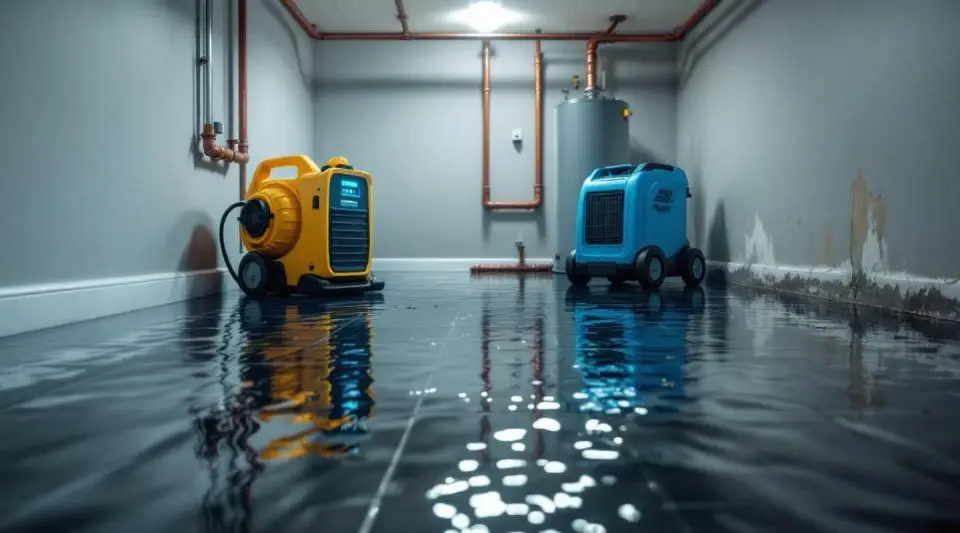
When a pipe bursts or the Ohio Valley’s heavy spring rains push water through your foundation, the clock starts ticking immediately.
Learn more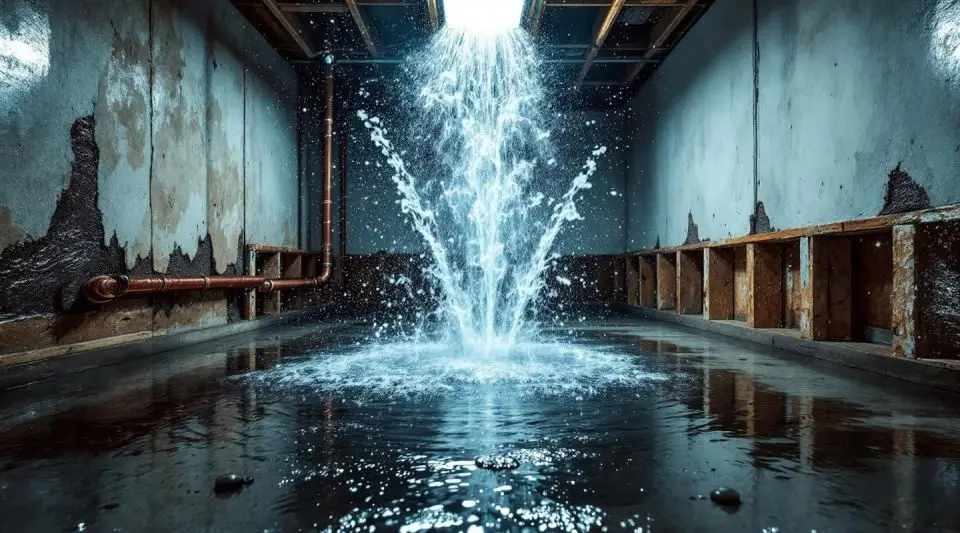
When a pressurized supply line fails, it doesn't just leak; it erupts.
Learn more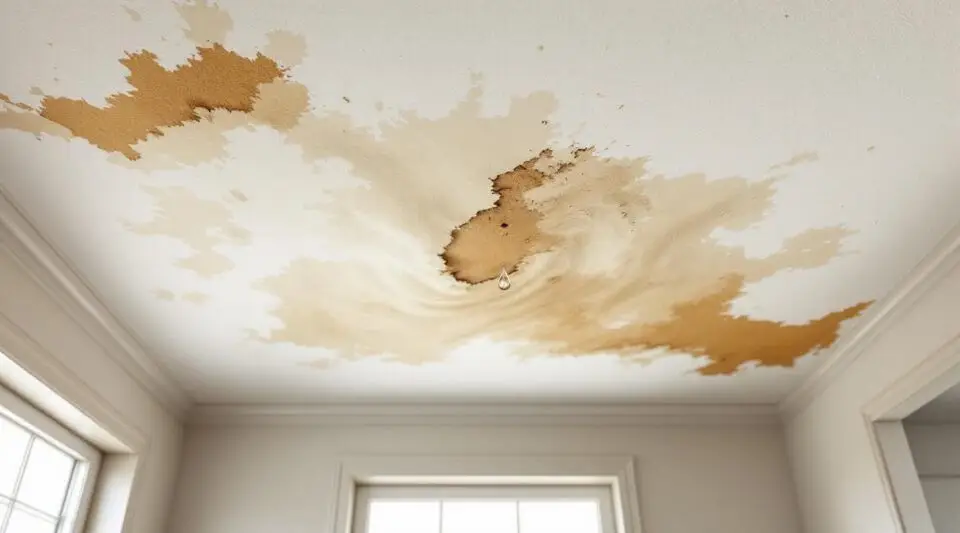
When you notice a yellowing ring or bubbling paint on your ceiling, the clock is already working against your home's structural integrity.
Learn more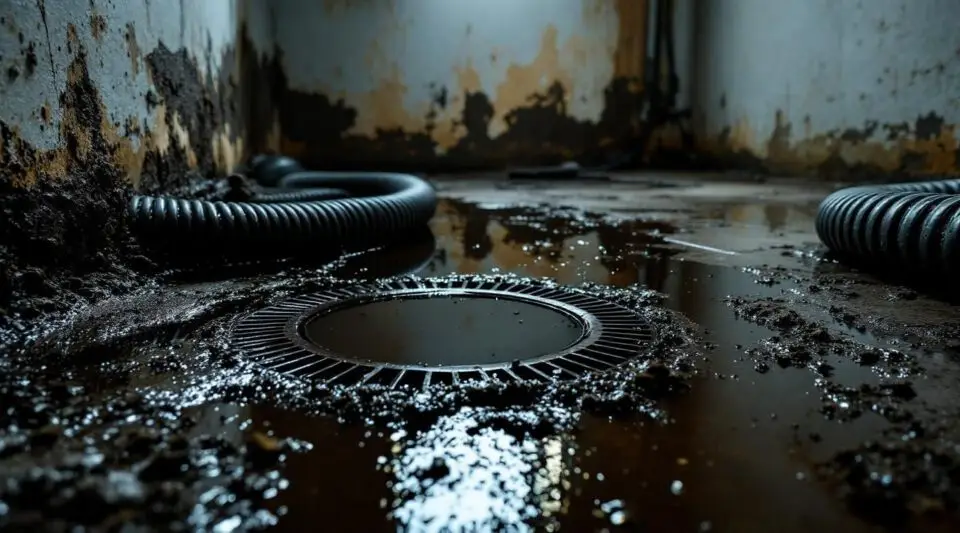
Discovering a sanitary sewer overflow in your basement is a visceral, overwhelming crisis that demands more than just a mop and a bucket.
Learn more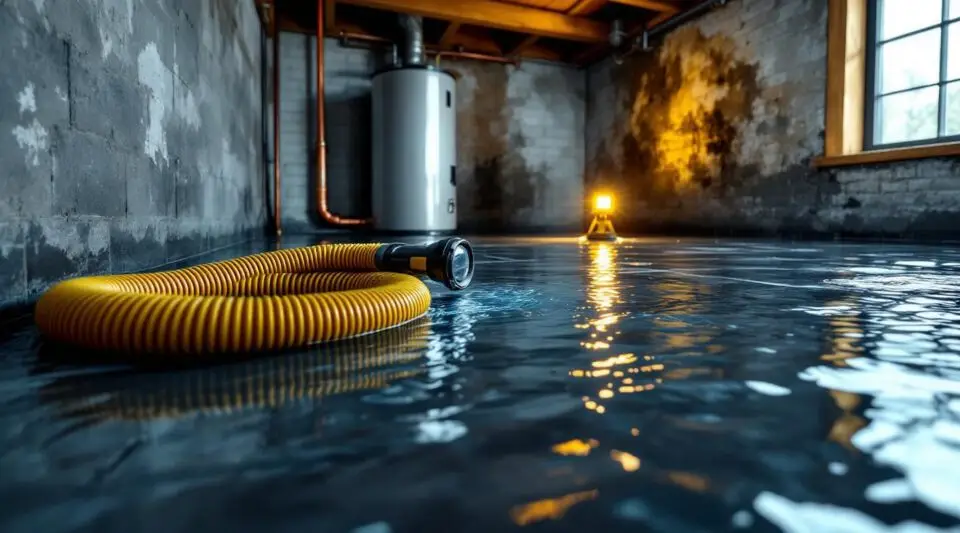
When a pipe bursts or the Ohio River begins to push groundwater into your basement, the clock starts ticking against your home’s structural integrity.
Learn more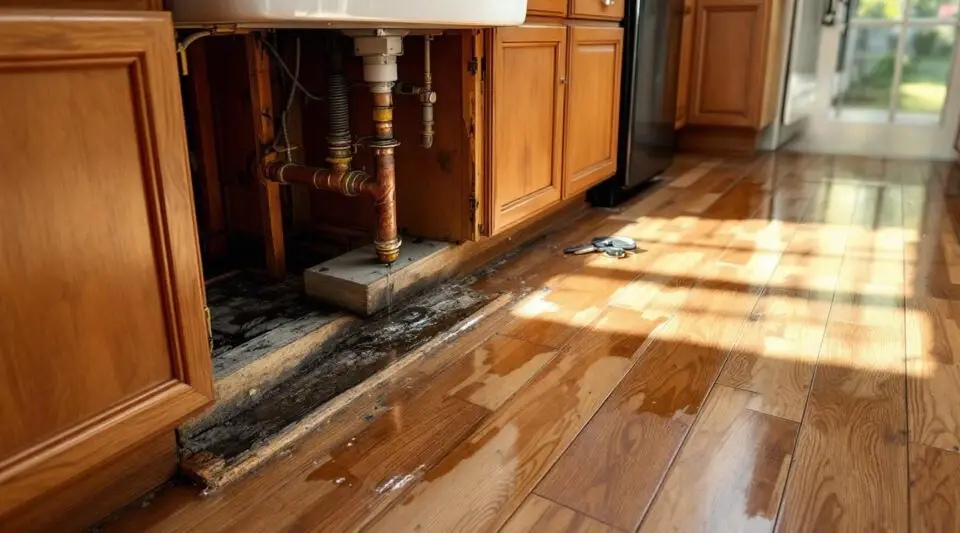
A kitchen leak often starts as a quiet problem—a slow dishwasher supply line failure or a refrigerator ice maker leak that drips behind the scenes for weeks.
Learn more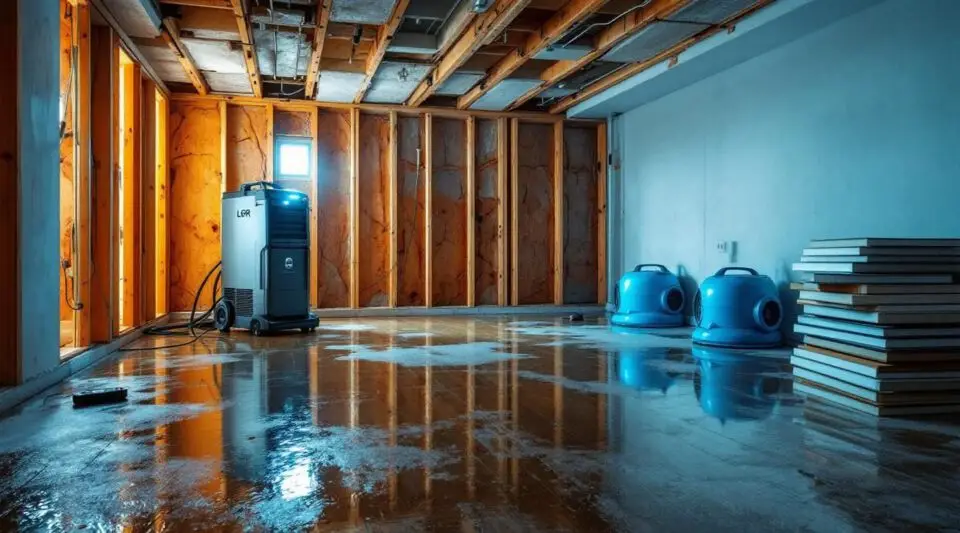
When the Ohio River valley experiences heavy spring snowmelt or those sudden, overwhelming summer thunderstorms, your basement can go from dry to a disaster zone in minutes.
Learn moreComplete elimination of mold that had been grown for years in a place that didn't have good air flow.
Kim Alvarez
Quickly finished taking out and removing the water. Structural drying made sure that our house was fully dry.
Brian Farmer
When our appliance leaked and caused water damage, Nision Restoration did a great job. They took great care when they took out the water, dried out the building, and cleaned it. The renovation went well and was done appropriately.
Amy Gambrell
There were no complications with fixing the water damage. They came on time, knew what they were doing, and were determined to perform a great job.
Theresa Martinez
The roof leaked during a large storm, and the walls of our bedroom got wet. The personnel fixed the water damage, took out the damaged insulation, and made sure the area was completely dry. Their repair people said the texture was just right. Everyone performed a terrific job.
Syakilla Makayla