- (513) 643-9049
- 4420 Marburg Avenue, Cincinnati, OH 45209
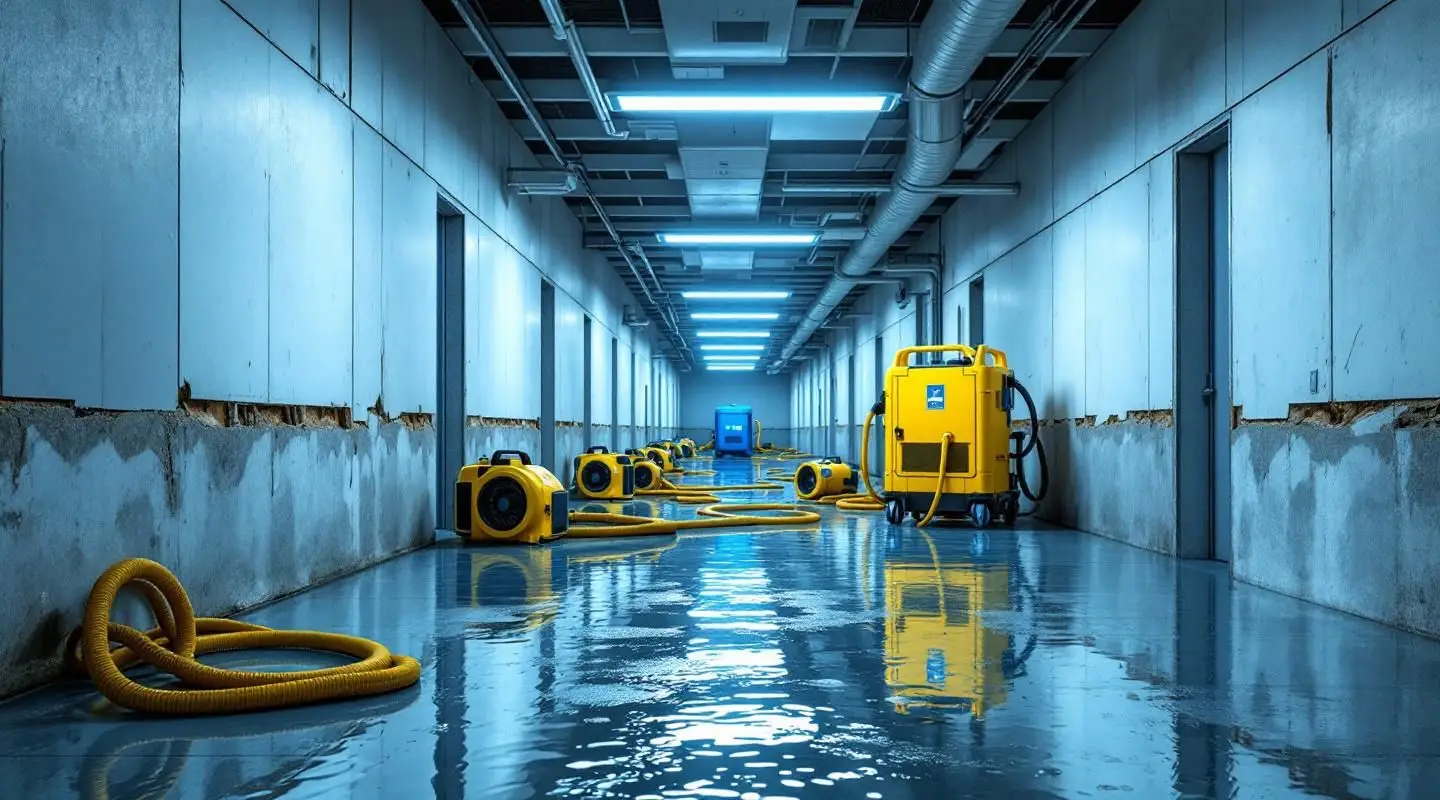
When a water main ruptures in a West End warehouse or the Mill Creek overflows into your loading dock, the clock starts ticking against your revenue and your building’s structural integrity. Commercial water damage restoration isn’t just about vacuuming up puddles; it’s a high-stakes race to stabilize an environment before category 1 water degrades into a hazardous category 3 contamination. In the Cincinnati metro, where aging infrastructure and Ohio River valley humidity collide, you need a response team that understands how moisture behaves in dense masonry and multi-floor steel assemblies.
You are likely managing more than just wet carpet. You are managing tenant expectations, lease obligations, and the very real threat of business interruption. Our approach focuses on aggressive moisture mapping and thermal imaging to find water trapped behind fire-rated drywall or under raised data room flooring. We don’t guess if a wall is dry; we use psychrometric monitoring to prove it, ensuring your facility is safe for re-occupancy without the lingering threat of hidden mold growth.
Our experienced technicians operate under the IICRC S500 standard, which is the gold standard for professional drying. This means every gallon of water extracted and every industrial dehumidifier placed is part of a calculated structural drying protocol. Whether you are dealing with a burst pipe in a Downtown high-rise or a sewage backup in a Queensgate industrial park, we prioritize the areas of your business that keep the doors open, working in phases to minimize the footprint of our equipment.
We understand the logistical nightmares of a large-loss event. Our fleet is equipped for industrial-scale water extraction, and we maintain a dedicated commercial line to bypass residential dispatch delays. By choosing a partner who understands the Cincinnati commercial landscape—from the historic brick of Over-the-Rhine to the modern glass of the Great American Tower—you ensure that your property is restored to pre-loss condition with the documentation required to satisfy both your landlord and your insurance adjuster.
The primary benefit of professional commercial water damage restoration is the drastic reduction in business interruption. When a main line breaks or heavy rains overwhelm the storm drains in the West End, every hour your doors are closed represents lost revenue and potential lease penalties. By deploying high-capacity commercial water extraction equipment immediately, we stop the migration of moisture into porous building materials like drywall and industrial carpeting. This proactive approach prevents a manageable category 1 incident from escalating into a category 3 contamination event, which would require much more aggressive and expensive teardowns.
Beyond just drying the floor, our technicians use advanced moisture mapping and thermal imaging to find water hidden behind parapet walls or inside multi-layer flooring systems common in Cincinnati office buildings. This level of detail is vital for your insurance claim documentation. We follow the IICRC S500 standard to provide a defensible record of the drying process, ensuring your carrier has the data they need to approve the full scope of work. Our experienced technicians understand that facility managers need more than just a dry building; they need a paper trail that proves the property is safe for tenants to re-occupy without the risk of hidden mold growth.
Choosing a specialized crew for water mitigation in Cincinnati means you are getting industrial-scale power that residential companies simply cannot match. We use desiccant dehumidifiers to pull moisture from dense materials like concrete slabs and masonry, which are prevalent in the city’s historic warehouse districts. This technical precision ensures that your structural drying protocol is completed as quickly as physics allows, getting your staff back to work and your logistics schedules back on track before the damage compounds into a long-term liability.
Rapid Business Continuity — We prioritize high-traffic zones to keep your operations running while the deeper structural drying continues.
Precision Moisture Mapping — Using thermal imaging to detect hidden pockets of water behind commercial-grade wall coverings and under raised flooring.
Insurance Claim Accuracy — Detailed psychrometric monitoring and documentation that provides your adjuster with the exact data needed for claim approval.
Large-Loss Capability — Industrial water extraction and desiccant dehumidification designed to handle multi-floor floods and massive square footage.
Contamination Remediation — Expert handling of category 3 sewage backups or floodwater to ensure your facility meets health and safety standards.
In a commercial setting, every hour of standing water increases the risk of category 1 water degrading into a category 3 contamination. We prioritize rapid dispatch for Commercial Water Damage Restoration in Cincinnati, typically arriving on-site within two hours. Our experienced technicians understand that for businesses in areas like Queensgate or the West End, a swift response is the only way to prevent prolonged business interruption. We immediately deploy high-capacity commercial water extraction equipment to stabilize the environment. This speed is critical because porous materials like drywall and office furniture can begin hosting microbial growth in as little as 24 hours. By arriving fast, we help you avoid the massive costs associated with secondary mold remediation and structural failure.
Documentation is the backbone of any successful insurance claim. For Commercial Water Damage Restoration in Cincinnati, we use advanced moisture mapping and thermal imaging inspection to create a digital footprint of the intrusion. This data allows us to prove exactly where water traveled, even behind finished surfaces. We follow the IICRC S500 standard for professional water damage restoration, ensuring our structural drying protocol is defensible to adjusters. Our team provides daily psychrometric monitoring reports that track temperature and relative humidity. This level of detail ensures your insurance carrier has the evidence needed to approve the full scope of work, reducing the likelihood of out-of-pocket expenses for your business.
Our goal with Commercial Water Damage Restoration in Cincinnati is to keep your doors open whenever safely possible. We use strategic containment—using heavy-duty plastic barriers and HEPA-filtered air scrubbers—to isolate affected zones from your active workspace. If you manage a retail space or a multi-tenant office, we can often perform industrial dehumidification and structural drying after hours or in phases. However, the severity of the intrusion matters; a sewage contamination remediation usually requires a temporary evacuation of the affected area for health reasons. We work closely with facility managers to coordinate equipment placement, such as desiccant dehumidifiers, to ensure they do not block loading docks or emergency exits, minimizing the impact on your daily logistics.
Most Commercial Water Damage Restoration projects in Cincinnati require three to five days of active drying. Commercial structures often feature dense materials like concrete slabs, multi-layer flooring, and steel studs, which retain moisture differently than residential wood framing. We do not just pull the equipment when the floor feels dry to the touch; we rely on moisture meters to confirm that materials have reached their dry standard. Factors like the local humidity in the Ohio River valley can influence these timelines. If we are dealing with a large-loss drying scenario, we might use large-scale desiccant dehumidifiers to pull moisture from the air more aggressively. For more information on local regulations and building safety, you can visit the City of Cincinnati Buildings and Inspections department website.
Responsibility often depends on the specific language in your commercial lease and the source of the water. Generally, if a common area pipe bursts, the landlord’s policy covers the structure, while the tenant’s insurance covers their specific improvements and contents. When we perform Commercial Water Damage Restoration in Cincinnati for multi-tenant properties, we often coordinate with multiple adjusters simultaneously. We provide clear, separated documentation so each party knows exactly what work was performed in their respective square footage. Because Ohio law regarding commercial liability can be complex, having a restoration partner who understands insurance claim documentation is vital for preventing legal disputes between landlords and tenants after a major flood event.
Don’t let a water intrusion event derail your business. Our Cincinnati-based commercial team is standing by to deploy industrial dehumidification and high-volume extraction equipment the moment a pipe bursts or a storm surge hits. We understand that every hour your doors are closed represents lost revenue and potential lease penalties. Whether you are managing a warehouse in Queensgate or a multi-floor office downtown, our experienced technicians follow strict IICRC S500 standards to ensure your structure is dry and documented for insurance.
Contact us now to start the moisture mapping process and mitigate business interruption before it scales into a total loss. We provide the documentation your adjuster needs and the rapid response your tenants demand to keep your facility safe and operational.
Choosing the right partner for commercial water damage restoration in the Cincinnati metro area often determines how quickly your doors reopen. At Nision Restoration, we differentiate ourselves from national chains by combining deep local knowledge of the Ohio River valley’s flood patterns with the technical rigor of an IICRC-certified firm. Our experienced technicians are specifically trained in large-loss drying protocols, ensuring that multi-floor moisture mapping and structural drying are handled with precision rather than guesswork. We do not just extract water; we manage the entire recovery environment to protect your building’s long-term structural integrity.
Our team understands that for facility managers in districts like Queensgate or the West End, every hour of downtime translates to lost revenue or lease penalties. Nision Restoration maintains a fleet of industrial-grade desiccant dehumidifiers and high-capacity commercial water extraction tools ready for immediate deployment. Unlike break-fix shops that might lack the scale for a warehouse flood, we have the resources to stabilize massive square footage while providing the detailed insurance claim documentation your carrier requires. We use psychrometric monitoring to prove your structure is dry, moving beyond surface-level inspections to ensure deep wall cavities and concrete slabs are moisture-free.
As a locally owned and operated company, we are personally invested in the recovery of our Cincinnati business community. We offer transparent communication directly with our project managers, avoiding the bureaucratic delays common with franchised restoration services. When you pick Nision Restoration, you are choosing a partner that treats your business continuity as the primary metric of success, backed by a commitment to the IICRC S500 standard and a reputation for integrity in the Hamilton County commercial sector.
The importance of immediate intervention for commercial properties cannot be overstated, especially given Cincinnati’s unique environmental challenges. When the Ohio River rises or a flash storm hits Mill Creek, local businesses often face rapid water intrusion that threatens both inventory and structural integrity. You aren’t just dealing with a wet floor; you’re fighting a clock against business interruption mitigation. Every hour your doors stay closed, you risk lease penalties or losing tenants to competitors. We understand that a warehouse in Queensgate or an office in the West End needs more than just a mop. You need industrial-scale water extraction to prevent a minor leak from becoming a total operational shutdown.
In our region, the freeze-thaw cycles from December through March frequently cause burst pipes in uninsulated mechanical rooms. This isn’t just water—it’s a liability. Following the IICRC S500 standard is the only way to ensure your property is actually dry. We use moisture mapping and thermal imaging to find water hidden behind multi-layer flooring or inside masonry walls common in older Cincinnati commercial buildings. If you leave moisture trapped in dense concrete slabs, you’re inviting mold growth within 48 hours. Professional structural drying protocol ensures we pull that deep-seated humidity out before it compromises the building’s bones.
Documentation is the backbone of any successful insurance claim. Your insurance carrier will look for psychrometric monitoring data to prove the building reached dry standards. Without this, your claim could be disputed, leaving your finance team with a massive cash flow gap. We use desiccant dehumidifiers and high-volume air movers to stabilize the environment quickly. This aggressive approach prevents Category 1 water from escalating into a Category 3 sewage contamination scenario. By prioritizing thorough remediation now, you protect your property from long-term liability and ensure your facility remains a safe, healthy environment for employees and customers alike.
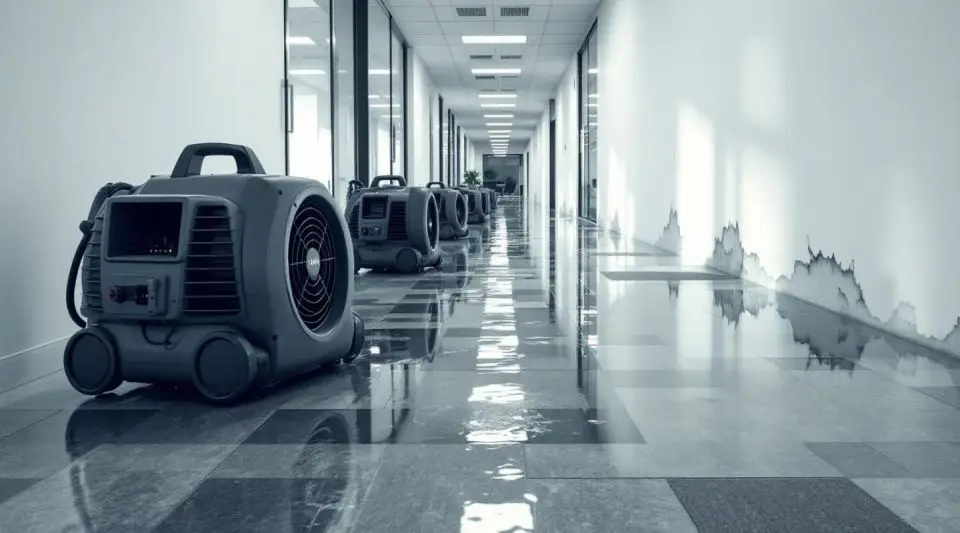
Walking into a multi-story office building to find three inches of standing water in the lobby or saturated carpets across an entire floor is a facility manager's worst nightmare.
Learn more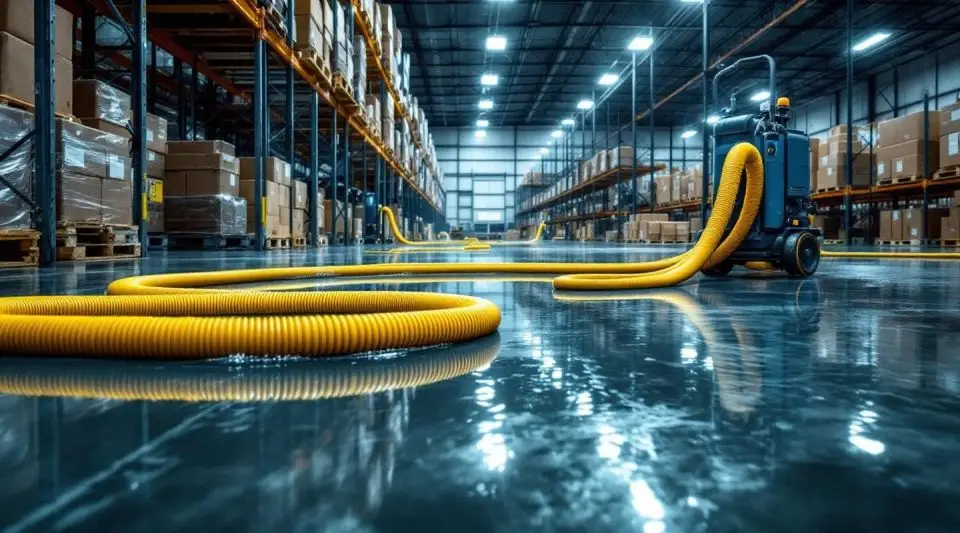
When a warehouse or distribution center in Cincinnati faces sudden water intrusion, the scale of the problem is often too large for standard restoration equipment.
Learn more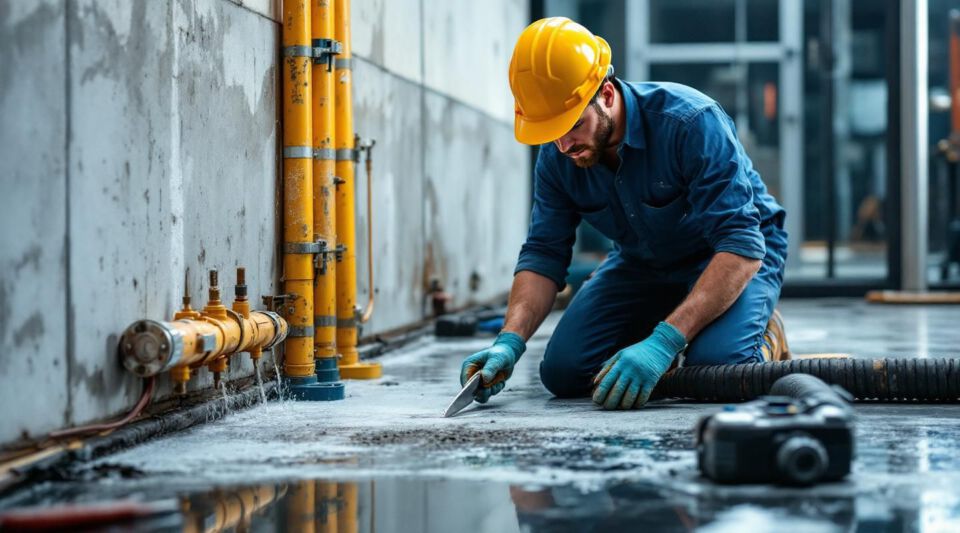
When a pipe bursts on the fourth floor of a downtown Cincinnati hotel at 2:00 AM, the clock doesn't just tick; it drains your revenue.
Learn more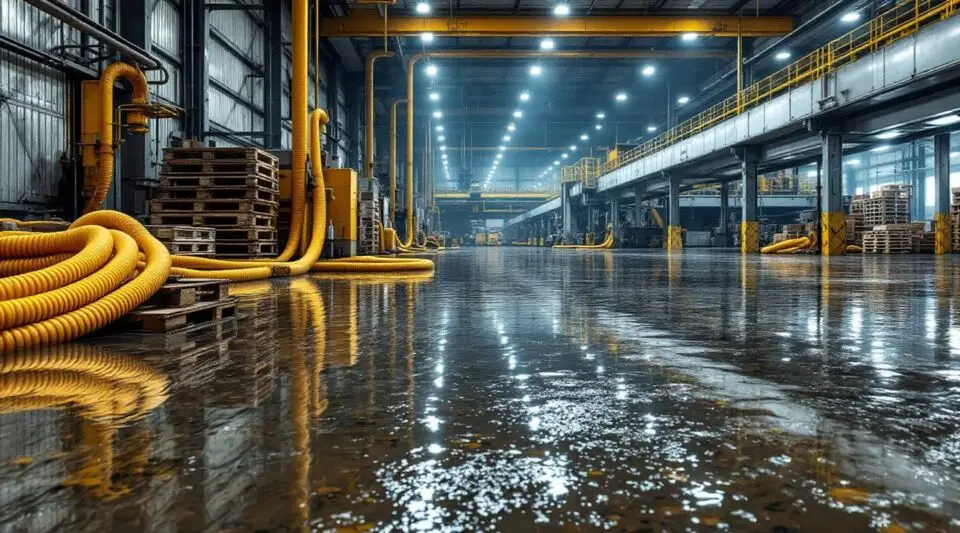
When the Ohio River crests or a pressurized main shears in a high-bay warehouse, the clock doesn't just tick; it drains your bottom line.
Learn more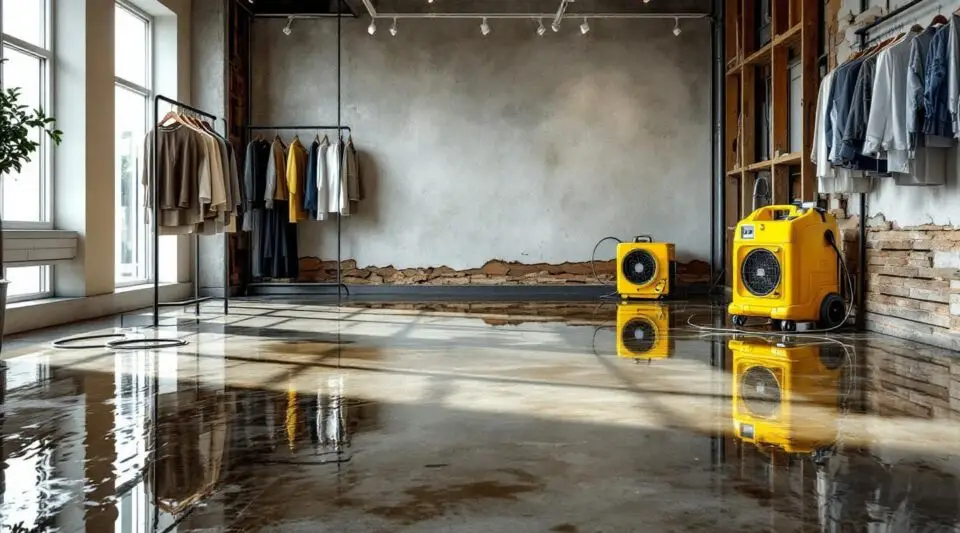
When your storefront in Cincinnati takes on water, the clock doesn't just tick; it drains your daily revenue.
Learn more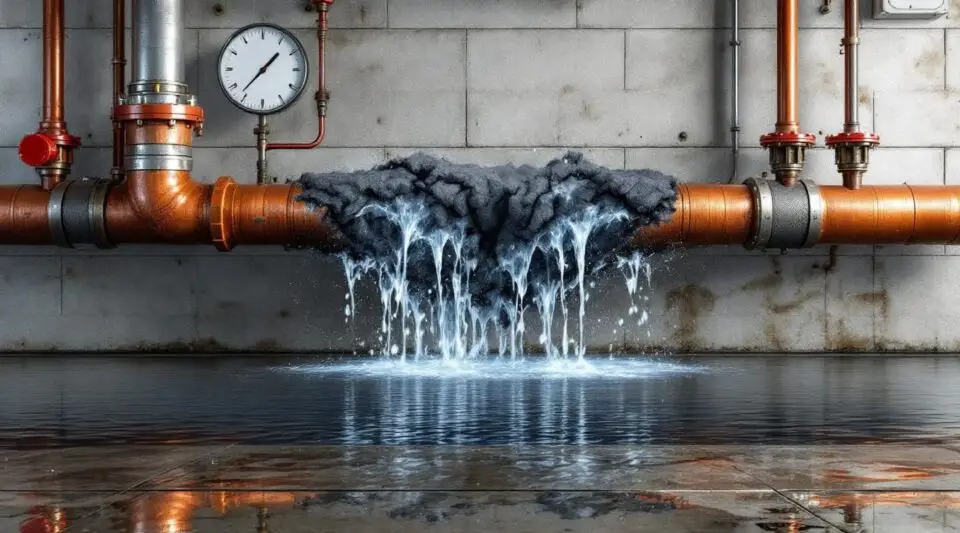
When a main supply line fails in a Cincinnati high-rise or a sprinkler head shears off in a warehouse, the clock starts ticking against your flooring, inventory, and electrical systems.
Learn more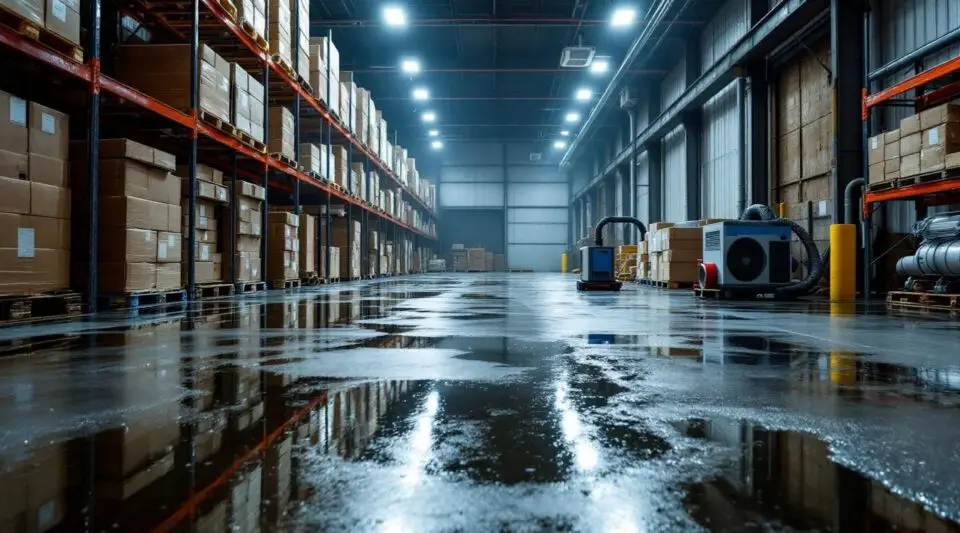
Cincinnati’s industrial landscape, from the West End to the Mill Creek corridor, is built on tight schedules and massive inventory volumes.
Learn moreQuickly finished taking out and removing the water. Structural drying made sure that our house was fully dry.
Brian Farmer
When our appliance leaked and caused water damage, Nision Restoration did a great job. They took great care when they took out the water, dried out the building, and cleaned it. The renovation went well and was done appropriately.
Amy Gambrell
Complete elimination of mold that had been grown for years in a place that didn't have good air flow.
Kim Alvarez
There were no complications with fixing the water damage. They came on time, knew what they were doing, and were determined to perform a great job.
Theresa Martinez
The roof leaked during a large storm, and the walls of our bedroom got wet. The personnel fixed the water damage, took out the damaged insulation, and made sure the area was completely dry. Their repair people said the texture was just right. Everyone performed a terrific job.
Syakilla Makayla