- (513) 643-9049
- 4420 Marburg Avenue, Cincinnati, OH 45209
Discovering a sanitary sewer overflow in your basement is a visceral, overwhelming crisis that demands more than just a mop and a bucket. In neighborhoods across Cincinnati, from the older clay tile lines in Hyde Park to the saturated soils of Clermont County, heavy rainfall often pushes raw sewage back into residential spaces. This isn’t just dirty water; it is classified as Category 3 water, or “black water,” which contains a cocktail of bacteria, viruses, and parasites like E. coli and hepatitis. When this happens, your home is no longer a safe environment, and the clock starts ticking on both structural damage and the spread of airborne pathogens.
You might feel an immediate urge to start cleaning, but professional sewage backup cleanup in Cincinnati requires specialized containment and biohazard disinfection protocols to be truly effective. Our crew doesn’t just suck up the standing liquid; we focus on the subfloor contamination and porous materials that act as sponges for waste. Materials like drywall, carpeting, and certain types of insulation cannot be “washed” once they’ve touched raw sewage. We handle the aggressive removal of these affected materials, ensuring that the source of the odor and the health risk is physically stripped from the property before we begin the sanitization phase.
We use ATP surface testing to verify that our antimicrobial treatments have actually neutralized the biohazard threat, giving you data-backed proof that your basement is sterile. Throughout the process, we run HEPA air scrubbing units to capture microscopic contaminants that the backup kicked into the air. We also understand the stress of the “hidden” costs, which is why we provide detailed, line-itemized documentation for your insurance adjuster. Whether your policy includes a specific sewer backup rider or you are navigating the claim out-of-pocket, we prioritize transparency so you aren’t left guessing about the scope of the remediation or the safety of your family.
The primary benefit of professional intervention is the absolute certainty of disinfection. While a mop and bleach might make a floor look clean, they cannot address the microscopic reality of Category 3 water contamination. This “black water” carries a heavy load of pathogens, including E. coli, parasites, and hepatitis, which can linger in porous materials long after the visible mess is gone. When we step into a basement after a sanitary sewer overflow, our goal isn’t just to remove the sludge; it’s to restore a biologically safe environment. We use specialized sewage extraction equipment and biohazard disinfection protocols that go far deeper than surface-level scrubbing.
You also benefit from our precision in material removal. Homeowners often fear we will gut their entire home, but our use of moisture mapping and ATP surface testing allows us to be surgical. We identify exactly which sections of drywall or subfloor are compromised and which can be saved through antimicrobial treatment. By setting up professional containment barriers and running HEPA air scrubbing units, we ensure that the rest of your home remains a safe haven while we handle the dirty work. This technical approach doesn’t just clean your property; it protects your family’s health and preserves the long-term value of your Cincinnati home.
BIOHAZARD ELIMINATION — Using EPA-approved antimicrobial treatments to neutralize dangerous pathogens like E. coli and salmonella.
ODOR NEUTRALIZATION — Going beyond masking smells by removing the source and using HEPA air scrubbing to clear the air permanently.
STRUCTURAL INTEGRITY — Identifying subfloor contamination through moisture mapping to prevent long-term rot, warping, or mold growth.
INSURANCE DOCUMENTATION — Providing the line-itemized Xactimate estimates and photo evidence your insurance adjuster requires for claims.
CONTAINMENT BARRIERS — Setting up physical seals to prevent the spread of airborne contaminants to the clean living areas of your home.
Many homeowners in the Ohio River valley are surprised to learn that standard policies often exclude ground-water or sewer-related incidents. To get coverage for Sewage Backup Cleanup in Cincinnati, you typically need a specific ‘Sewer or Drain Backup’ rider. Because our city utilizes a combined sewer overflow system, these backups are common during heavy rains. We recommend checking your policy for this endorsement immediately. Our team works directly with local adjusters and uses Xactimate to provide the detailed documentation and line-item estimates your carrier requires to process a claim efficiently.
For a typical residential basement in Cincinnati, the active cleanup and sanitization phase usually takes 24 to 48 hours. This includes sewage extraction, affected material removal (like saturated drywall or carpet), and the application of an antimicrobial treatment. However, the complete Sewage Backup Cleanup timeline often extends to 3 or 5 days because structural drying is required. We must ensure the subfloor contamination is fully addressed and moisture levels are returned to normal before any reconstruction begins. We use moisture mapping to track this progress daily so you aren’t left with hidden dampness.
Raw sewage is classified as Category 3 water, or ‘black water,’ because it contains significant pathogens including E. coli, Hepatitis A, and various parasites. These biohazards pose a severe risk to your family, especially children or the elderly. During Sewage Backup Cleanup, we focus on biohazard disinfection to eliminate these threats. You should avoid the area entirely until containment barriers are in place and HEPA air scrubbing has begun. For more information on local health standards and sewer safety, you can consult the Metropolitan Sewer District of Greater Cincinnati (MSD) guidelines.
We strongly advise against DIY cleanup for any sanitary sewer overflow. Household bleach is often insufficient for porous materials and can actually react with certain chemicals in the waste. Professional Sewage Backup Cleanup requires industrial-grade disinfectants and specialized PPE to prevent skin contact and inhalation of aerosolized pathogens. Furthermore, without professional-grade sewage extraction and ATP surface testing, you risk leaving behind microscopic contaminants that lead to persistent odors or mold growth. Our Cincinnati restoration experts follow IICRC S500 standards to ensure your home is truly sanitary, not just ‘clean’ to the eye.
The rule of thumb for Sewage Backup Cleanup is that porous materials—things like carpet, padding, upholstered furniture, and unfinished drywall—must be removed and disposed of if they come into direct contact with black water. These materials act like a sponge for pathogens and cannot be reliably disinfected. However, non-porous surfaces like tile, concrete, and certain hardwoods can often be saved through aggressive cleaning and odor neutralization. We perform a thorough inspection to identify what is salvageable, helping you avoid unnecessary replacement costs while never compromising the biological safety of your living environment.
You shouldn’t have to face a basement full of Category 3 water alone. The longer black water contamination sits, the deeper it seeps into your drywall and framing, turning a simple cleanup into a major reconstruction project. We understand the sheer urgency when the local sewer system fails, and we are here to provide the antimicrobial treatment and HEPA air scrubbing needed to protect your family’s health from dangerous pathogens.
Don’t wait for the odor to become permanent or for mold to take root in your subflooring. Our experienced team at Nision Restoration in Cincinnati is ready to handle the heavy lifting, from biohazard disinfection to total moisture removal. Reach out now to get a professional on-site to assess the damage and start the recovery process before the contamination spreads further.
When raw sewage enters your home, the clock starts ticking on both structural integrity and family health. Choosing Nision Restoration means you are partnering with a team that treats every sanitary sewer overflow as a serious biohazard event, not just a plumbing nuisance. We are locally owned and deeply familiar with the specific challenges of the Cincinnati combined sewer system, which frequently surcharges during our heavy Ohio River Valley rainstorms. Unlike national chains that might send a general labor crew, we dispatch technicians specifically trained in Category 3 water remediation who understand the nuances of local neighborhoods from Hyde Park to Westwood.
Our company differentiates itself through a rigorous adherence to the IICRC S500 Standard for Professional Water Damage Restoration. We don’t just pull up the carpet and leave; Nision Restoration utilizes specialized containment barriers and HEPA air scrubbing to ensure that airborne pathogens and odors don’t migrate into the unaffected areas of your house. We focus on precision—removing only the materials that are truly unsalvageable, such as contaminated drywall or saturated insulation, while using moisture mapping to save what we can. This surgical approach prevents the unnecessary demolition that often drives up costs with less experienced break-fix contractors.
Transparency is the cornerstone of how we operate. We provide every client with a detailed, line-itemized estimate using Xactimate, the same software used by major insurance carriers in Ohio. This ensures that your adjuster has the exact documentation they need to process your claim quickly. By combining technical expertise in biohazard disinfection with a commitment to clear communication, Nision Restoration provides a level of professional oversight that DIY methods or general cleaning services simply cannot match.
Ignoring a sewage backup or attempting to clean it without professional equipment is a dangerous gamble with your family’s health. In the restoration trade, we classify raw sewage as Category 3 water, or “black water,” because it is grossly contaminated with harmful pathogens like E. coli, salmonella, and various forms of hepatitis. These biohazards do not just sit on the surface; they permeate porous materials like drywall, baseboards, and carpet padding almost instantly. If you try to handle this with a standard shop-vac or household cleaners, you risk aerosolizing bacteria and spreading contaminants throughout your entire HVAC system.
The structural stakes are just as high as the health risks. In Cincinnati neighborhoods with older housing stock, like Hyde Park or Norwood, aging clay sewer laterals are prone to failure, often leading to significant waste settling into the subfloor. Without professional moisture mapping and specialized extraction, this moisture remains trapped, creating a perfect breeding ground for mold within 24 to 48 hours. Professional sewage backup cleanup in Cincinnati requires more than just a surface scrub; it demands the strategic removal of affected material and deep biohazard disinfection to ensure the property is truly sanitary, not just visually clean.
Beyond the physical work, professional intervention is vital for the documentation required by your insurance carrier. Many Ohio homeowners are surprised to find that sewer backups require specific riders, and adjusters need detailed proof that the remediation followed IICRC S500 standards to approve the claim. We use ATP surface testing to verify that the area is biologically safe before we ever sign off on a job. This level of rigor is what prevents long-term odors from lingering in your basement for years. When you see the data proving the pathogens are gone, you finally earn the peace of mind that your home is a safe environment again.
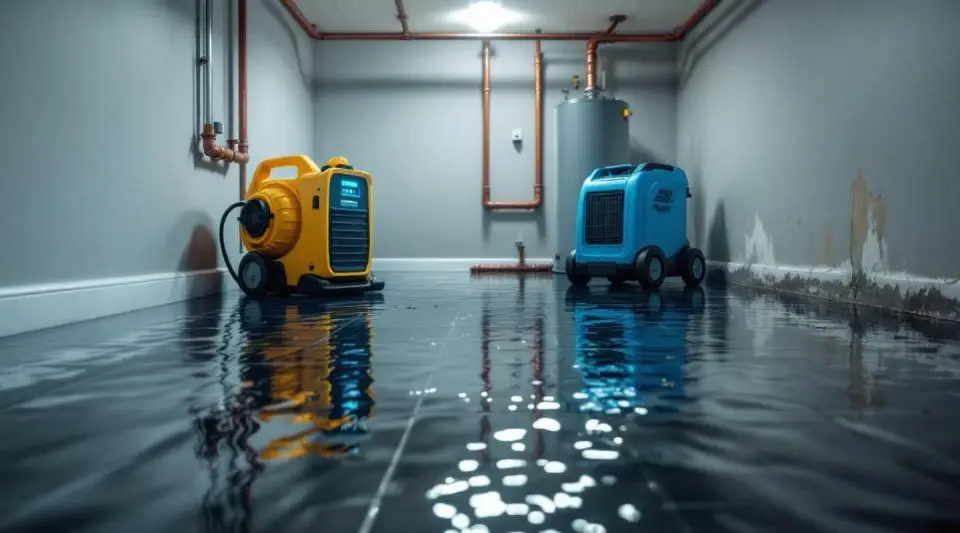
When a pipe bursts or the Ohio Valley’s heavy spring rains push water through your foundation, the clock starts ticking immediately.
Learn more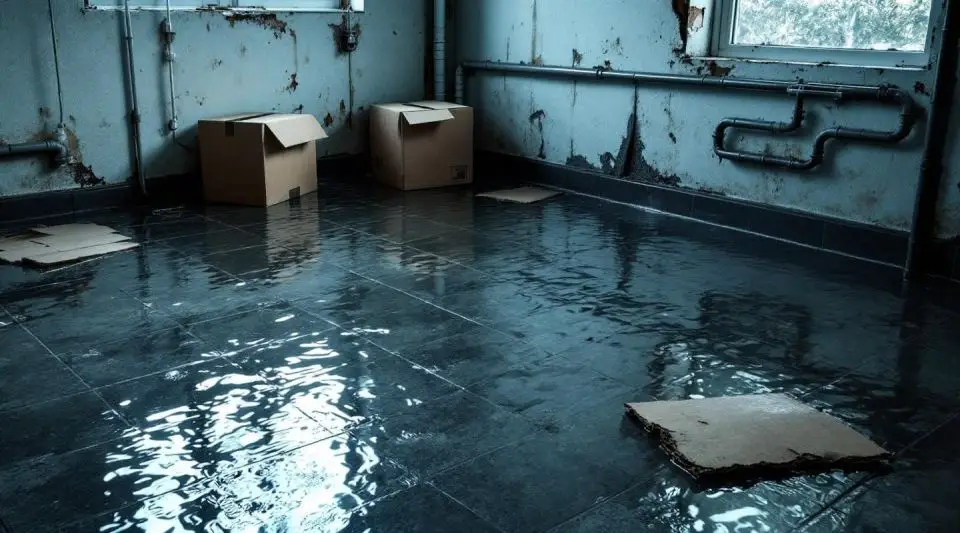
When the Ohio River valley experiences those heavy spring downpours, your basement often pays the price.
Learn more
When a pressurized supply line fails, it doesn't just leak; it erupts.
Learn more
When you notice a yellowing ring or bubbling paint on your ceiling, the clock is already working against your home's structural integrity.
Learn more
When a pipe bursts or the Ohio River begins to push groundwater into your basement, the clock starts ticking against your home’s structural integrity.
Learn more
A kitchen leak often starts as a quiet problem—a slow dishwasher supply line failure or a refrigerator ice maker leak that drips behind the scenes for weeks.
Learn more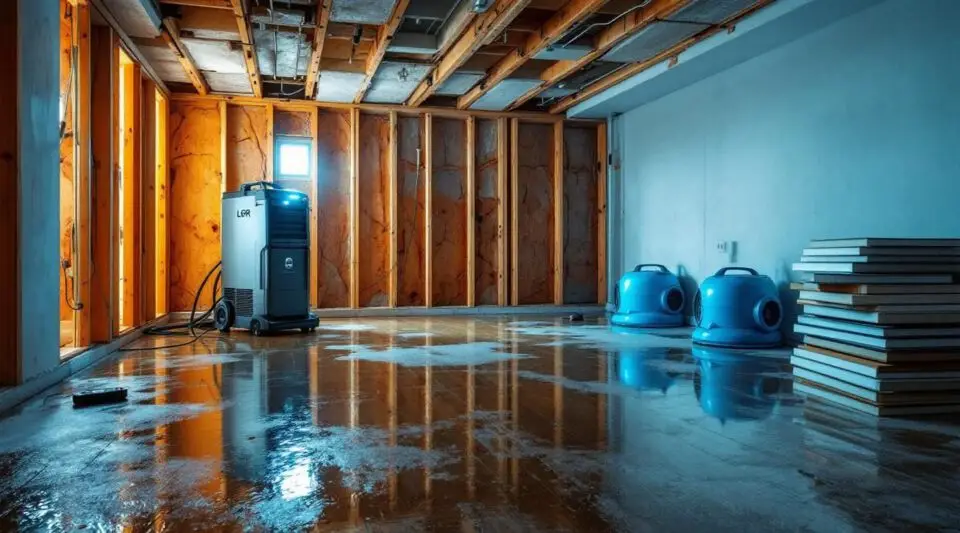
When the Ohio River valley experiences heavy spring snowmelt or those sudden, overwhelming summer thunderstorms, your basement can go from dry to a disaster zone in minutes.
Learn moreThe roof leaked during a large storm, and the walls of our bedroom got wet. The personnel fixed the water damage, took out the damaged insulation, and made sure the area was completely dry. Their repair people said the texture was just right. Everyone performed a terrific job.
Syakilla Makayla
Complete elimination of mold that had been grown for years in a place that didn't have good air flow.
Kim Alvarez
When our appliance leaked and caused water damage, Nision Restoration did a great job. They took great care when they took out the water, dried out the building, and cleaned it. The renovation went well and was done appropriately.
Amy Gambrell
Quickly finished taking out and removing the water. Structural drying made sure that our house was fully dry.
Brian Farmer
There were no complications with fixing the water damage. They came on time, knew what they were doing, and were determined to perform a great job.
Theresa Martinez