
A sudden upper-floor plumbing failure is one of the most stressful events a homeowner or property manager can experience. When water migrates through subfloors and accumulates overhead, executed proper protocol makes the difference between a simple patch job and thousands of dollars in structural repairs. Executing a rapid Norwood ceiling water leak emergency response stops active flooding, protects your family from overhead hazards, and preserves the structural integrity of your property.
If you need help now, start with our Warehouse Water Damage Cleanup Cincinnati page or call our crew for same-day extraction.
Many homes across our Norwood service area feature multi-story layouts where second-floor bathrooms, laundry rooms, and pressurized supply lines sit directly above finished living spaces. When a pipe ruptures upstairs, gravity pulls water downward into ceiling cavities, saturating drywall panels, insulation, and timber joists. Understanding how to handle these emergency situations stabilizes your indoor environment until expert restorers arrive.
Identifying Immediate Overhead Hazards and Ceiling Sagging
Water-logged drywall is incredibly heavy and fragile. Standard 1/2-inch drywall absorbs liquid rapidly, increasing its weight by up to 300% while losing over 90% of its structural strength. If you observe a sagging ceiling water damage norwood scenario—where paint bubbles, drywall bows downward, or water actively drips from light fixtures—the ceiling panel is in imminent danger of collapsing.
Before stepping underneath a saturated ceiling, perform a quick visual assessment from a safe distance. Never touch illuminated light fixtures or ceiling fans that are dripping water, as charged moisture presents a severe electrocution hazard. Immediately turn off the breaker controlling that zone. If the ceiling shows a prominent, heavy bulge, clear all furniture and valuable belongings out of the splash radius immediately.
Step 1: Controlled Drainage to Prevent Uncontrolled Collapse
When facing a severe water leaking from ceiling emergency Cincinnati area property owners often watch water pool behind ceiling paint without knowing how to intervene. Leaving trapped water pooled overhead accelerates structural degradation and increases the risk of a sudden, widespread ceiling collapse that can ruin flooring and furniture below.
To execute controlled emergency drainage, place a large plastic bin or bucket directly beneath the center of the ceiling bulge. Take a long screwdriver, broom handle, or small hand punch, stand outside the direct collapse path, and carefully pierce a single hole into the lowest point of the drywall sag. This provides an controlled path for pooled water to drain into your bucket, relieving hundreds of pounds of overhead pressure and preventing the entire sheet of drywall from crashing down.
Step 2: Stopping the Source – Second Floor Plumbing Failures
Relieving ceiling pressure buys time, but you must cut off the source of moisture. Upper-floor pipe leaks typically stem from ruptured copper lines, failed PEX fittings, clogged AC condensate drain lines, or overflowing master bath fixtures. If you are dealing with a second floor pipe burst cleanup norwood oh situation, locate your home's main water shutoff valve immediately.
Main shutoff valves in Norwood residences are typically located in the basement, front crawlspace, or near the water meter by the street. Turn the valve clockwise until it is fully closed, then open lower-level faucets to bleed remaining pressure from the lines. If you need step-by-step guidance on handling sudden line breaks, review our comprehensive Burst Pipe Water Damage Cleanup Cincinnati guide.
Step 3: Emergency Stabilization & Structural Triage
Once the water source is terminated and primary drainage is managed, professional restoration crews begin structural stabilization. Upon arrival, emergency responders conduct thermal imaging and moisture metering to map out the full extent of hidden water migration across ceilings, wall cavities, and subfloors.
If drywall has lost its structural bond with ceiling joists, specialized crews perform selective controlled demolition. Removing ruined, unsalvageable drywall panels opens the ceiling cavity, allowing air circulation around wet floor joists and preventing secondary structural wood rot. Professional crews follow strict protocols established by the CDC mold prevention guide to keep job sites safe and sanitary throughout extraction.
The Science of Structural Drying in Multi-Story Norwood Homes
Drying an upper-floor leak requires specialized equipment capable of driving moisture out of hidden subflooring, joists, and wall plates. Relying on household fans or simply opening windows is insufficient for deep structural drying and invites hidden fungal growth.
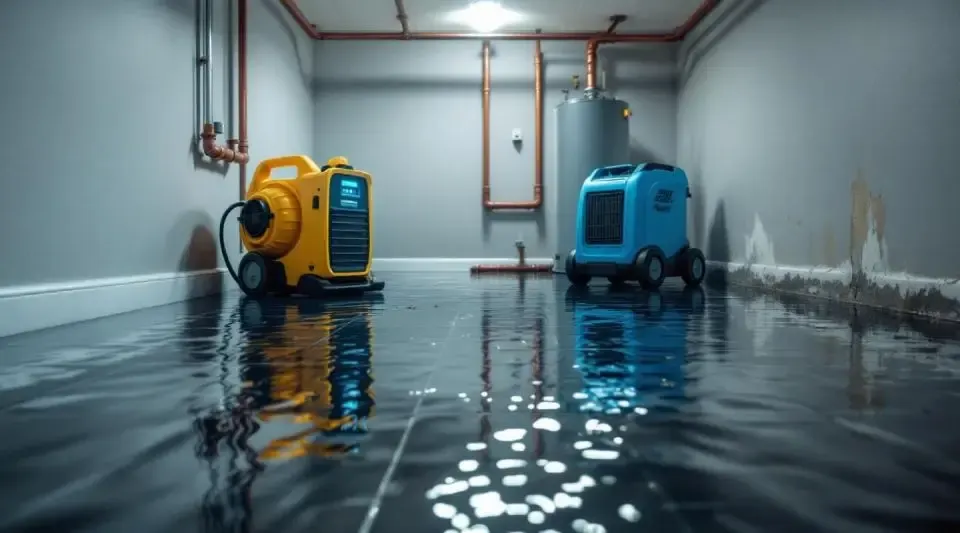
Our technicians employ industrial Low-Grain Dehumidifiers (LGRs) combined with high-velocity directional air movers. In multi-story leaks, we frequently deploy specialized cavity injection drying systems that pump heated dry air directly into floor spaces and sealed wall cavities. Utilizing our 24/7 water damage restoration Norwood services ensures that hidden moisture is tracked continuously using calibrated pin-less moisture meters until structural materials reach baseline dry standards.
Mitigating Secondary Mold and Environmental Hazards
In damp, dark ceiling cavities, mold spores begin germinating within 24 to 48 hours of initial water contact. Organic ceiling materials—such as paper-faced drywall and cellulose insulation—provide ideal food sources for mold colonies if relative humidity levels remain above 60%.
By contacting a certified team for emergency ceiling leak repair Norwood OH, you minimize the risk of airborne microbial contamination spreading through your HVAC ductwork. Restorers apply EPA-registered antimicrobial treatments to structural framing members while containment barriers and HEPA air scrubbers prevent cross-contamination into unaffected areas of your home.
Working with Insurance on Norwood Water Damage Claims
Upper-floor pipe leaks and ceiling collapses often involve substantial claims covering structural repairs, contents restoration, and temporary living expenses. Documenting the incident accurately from the very first minute streamlines your insurance recovery process.
Take detailed photographs and videos of the active leak, the damaged ceiling, and any impacted personal items before moving them. When our restoration specialists arrive, we compile comprehensive moisture mapping logs, scope-of-loss documentation, and line-item estimates using industry-standard pricing software. If the leak affects a commercial property or multi-family building, our specialized team also handles full-scale Commercial Water Damage Restoration Cincinnati documentation for commercial adjusters.
Preventing Future Upper-Floor Plumbing Disasters
While sudden pipe bursts cannot always be predicted, proactive maintenance drastically reduces the risk of catastrophic overhead ceiling leaks:
- Upgrade Supply Lines: Replace older plastic or plain rubber washing machine and toilet supply lines with braided stainless steel hoses.
- Monitor Water Pressure: High home water pressure (above 80 PSI) strains plumbing joints and upper-floor fixtures. Install a pressure-reducing valve if necessary.
- Install Smart Leak Detectors: Place wireless moisture sensors beneath second-story washing machines, water heaters, and bathroom sinks for instant smartphone alerts.
- Inspect HVAC Drain Pans: Ensure secondary drain lines for attic or second-floor air handlers are clean and equipped with float-switch shutoffs.
If your property has experienced water intrusion from external sources like storm run-off or heavy rainfall, read our overview on Loveland Storm Water Ingress Emergency Repair & Response for additional protection strategies.
Professional Norwood Ceiling Collapse Water Damage Repair
Attempting a DIY repair on a saturated ceiling often hides trapped moisture behind fresh drywall, leading to wood rot, sagging joists, and health hazards down the road. Engaging trained technicians for Norwood ceiling collapse water damage repair ensures that every layer of your building envelope is thoroughly dried, disinfected, and restored to pre-loss condition.
Nision Restoration brings rapid-response capabilities, advanced thermal detection tools, and complete structural drying solutions to every job in Norwood and the surrounding Greater Cincinnati area. When water starts pouring from above, immediate action preserves your home's integrity and gives your family complete peace of mind.